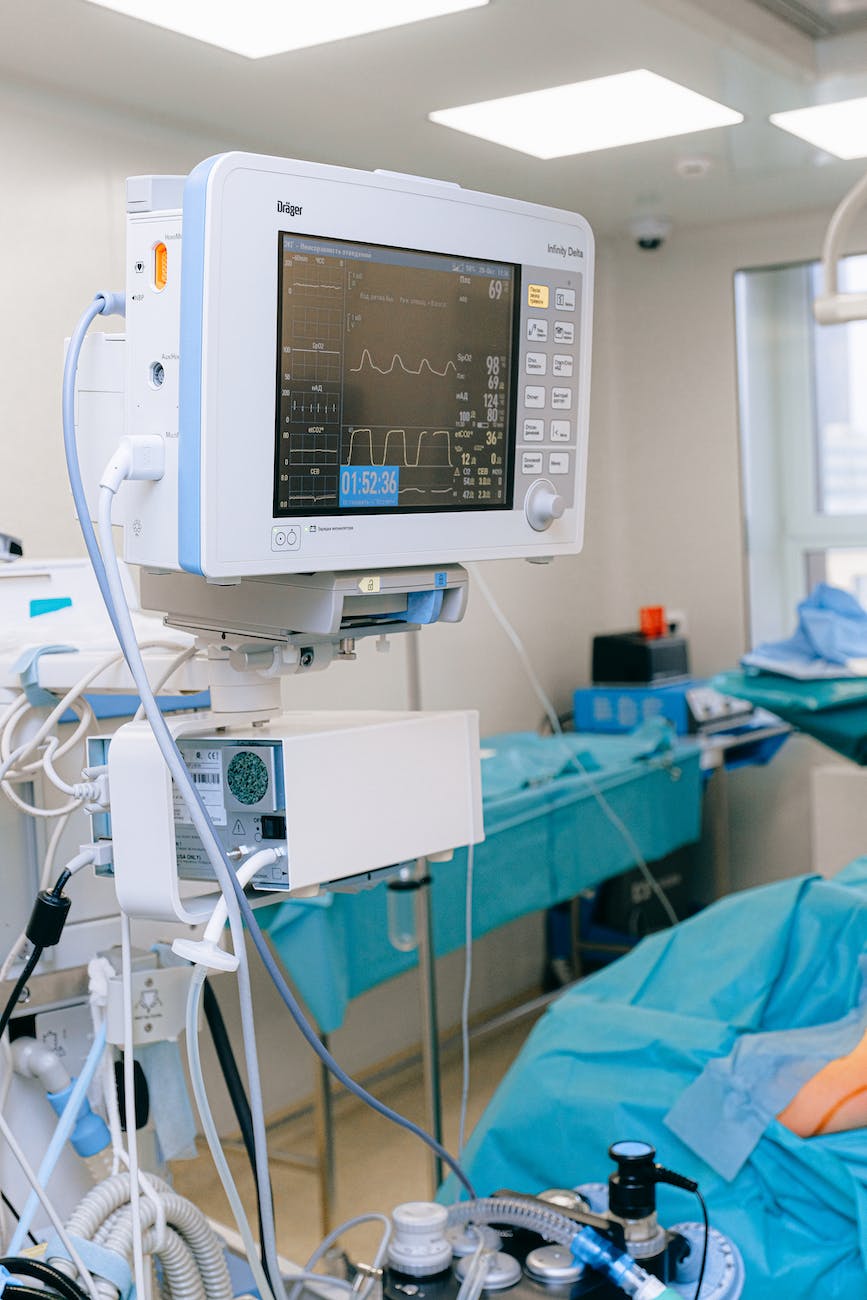
Bioinstrumentations is all about how to build electronics that interface with the body. The subject was taught in person and required active engagement from the lecturers, tutors and students. The subject does not have traditional lectures but uses a discussion group model where students read the content before class and we engage in a discussion of synthesizing the concepts in class, students then go into weekly tutorials and workshops on the electronics concepts they learn in class. The attendance is normally greater than 50% each week which is key, as those who attend class get to engage actively and tend to understand the content better. The discussion groups were followed by a tutorial on solving problems in class and a workshop that used this same content to build a circuit. Outside of class students go on to do a self-paced project. The formative assessments are reflections on the work done while the summative assessments are primarily based on project work followed by a viva voce oral exam.
Hearing aids (2024)
The subject was really interesting since it centred on a project that applies majority of the lessons learned in class.
..after the tutes you understood more and then after the workshops even more.
Student Project Portfolios (2023)
This subject is a perfect example of what a great university-level course can look like … The approachability of the course coordinator and demonstrators is what makes learning these difficult
concepts a much smoother.
Project Based Learning (2022)
I never thought I would like electronics but I can see how I can do it and I was so happy when it finally worked. At the start of the semester, I could not see how we could do it but now that I have I can’t believe I did it in 12 weeks.
 Community of Inquiry